
 630-393-3111
4200 Cantera Drive, Suite 200 | Warrenville, IL 60555

-

- Home
- Firm Overview
- Attorneys
- Practice Areas
- Divorce
- Allocation of Parental Responsibility and Decision Making (Child Custody)
- Parenting Time / Visitation
- Spousal Maintenance / Alimony
- Modifications to Child Support and Spousal Maintenance
- Modifications to Allocation of Parental Responsibility, Child Custody and Parenting Time
- Parent & Child Relocation / Removal
- Child Support
- Enforcement of Judgments
- Finances and Divorce
- Businesses and Divorce
- Mediation
- Family Law
- Divorce
- Appeals
- Testimonials
- Blog
- Contact
How To Get Guardianship of My Grandchildren
 Grandparents often help care for their grandchildren by offering meals, support, and emotional guidance. When parents become unable or unwilling to care for their children, grandparents are often the first people willing to step in. A grandparent who wants to become a legal guardian must understand the steps involved and the laws that apply. If you have questions, a Naperville, IL guardianship lawyer can provide answers and get your case started.
What Does Legal Guardianship Mean in Illinois?
Guardianship is a legal relationship created by a court. It gives a responsible adult the authority to make important decisions for someone. Under 755 ILCS 5/11-5 of the Illinois Probate Act, a court may appoint a guardian when it finds that doing so is necessary to promote the person’s welfare and protect their best interests.
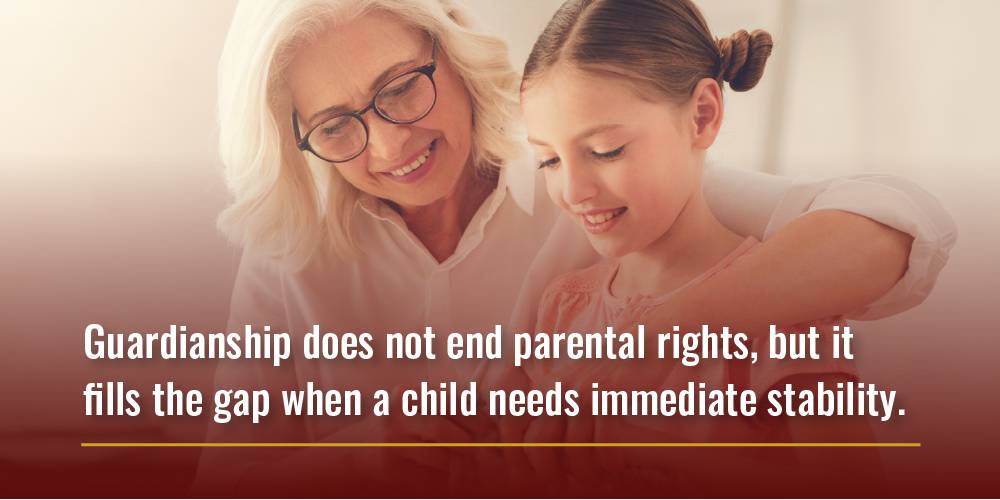
When someone is appointed as a child’s guardian, they have a duty to act in the child’s best interests at all times. This includes providing a safe home, ensuring proper medical care, and managing the child’s daily needs. Guardianship does not end or terminate the parents’ rights. Instead, it allows another adult to step in when parents cannot provide the care and stability a child needs.
Why Would Grandparents Seek Guardianship of Their Grandchildren?
When the court believes the child’s physical, mental, or emotional well-being may be at risk, the judge can assign a guardian. Grandparents are often the first to step up. This makes sense, given that they typically already have a relationship with the child.
There are many reasons why parents may be unable to care for their children. Financial hardship can make it difficult to meet basic needs. Mental illness can affect a parent’s judgment or ability to provide proper supervision. Some parents struggle with substance abuse. Others may be incarcerated because of criminal charges. Sometimes a parent dies, leaving no one immediately available to care for the child. When these challenges arise, grandparents often feel a strong sense of duty to step in and provide the safety and stability their grandchildren need.
What Types of Guardianship Can Grandparents Get in Illinois?
Illinois recognizes several types of guardianship. The most common include:
-
Guardianship of the estate: This type of guardianship allows a grandparent to manage a child’s financial matters. It is often used when a child inherits money or property that needs to be managed responsibly.
-
Guardianship of the person: This guardianship gives a grandparent the authority to make daily decisions about the child’s well-being. It includes providing a safe and stable home and making sure the child’s daily needs are met. This can involve scheduling medical appointments, managing school matters, and stepping in when parents cannot handle these responsibilities.
-
Plenary guardianship: A plenary guardian has full authority over both personal care and financial matters. This is the most complete type of guardianship under 755 ILCS 5/11-13. It is used when a child needs support in all areas of life and cannot rely on parental involvement for long-term needs.
Any type of guardianship may be temporary or permanent. Temporary guardianship is usually arranged when a child needs immediate protection. Permanent guardianship is used when long-term care is necessary.
What Evidence Do Grandparents Need When Seeking Guardianship?
When a case involves unfit parents, a grandparent must show the court why guardianship is necessary. The most effective evidence will depend on the situation. Examples include medical records, police reports, school concerns, or statements from other adults who have witnessed unsafe conditions. The goal is to show that the child is not safe or that the parents are unable to provide adequate care.
If a parent struggles with addiction, documentation from treatment programs or failed drug tests may be used as valid proof. If the parent suffers from a mental illness, medical records or hospital evaluations may support the guardianship request. If the parent is incarcerated, court records can be attached to the petition. Work with your attorney to gather as much information as possible before filing.
How Do You File for Guardianship in Illinois?
The guardianship process begins by filing a petition in the appropriate county court. The petition explains who the child is, who the proposed guardian is, and why guardianship is necessary. The court then reviews the information and may schedule a hearing.
If both parents agree to the guardianship, the process is much easier. The judge will still review the case, but the agreement reduces the need for extensive evidence. If the parents do not agree, the grandparent must present evidence showing why guardianship is needed to keep the child safe.
A guardian ad litem may be appointed. This is an attorney who represents the child’s best interests. The guardian ad litem can visit the home, interview family members, and submit a recommendation to the court.
What Alternatives Exist if Guardianship Is Not the Best Option?
Guardianship is not the only legal tool available. Grandparents may also consider:
-
Visitation rights: Illinois law allows grandparents to request visitation in certain situations, helping them stay connected and involved in their grandchild’s life.
-
Short-term guardianship agreements: These allow grandparents to care for a child temporarily when parents face short-term challenges, without needing a full court case.
-
Safety plans: These are simple family agreements that identify who will care for the child during emergencies or unexpected situations.
These options may be helpful when guardianship is not needed or when the situation is temporary.
Do Grandparents Need an Attorney To Seek Guardianship of Grandchildren?
Guardianship laws can be complex. The process involves detailed paperwork, strict court deadlines, and formal hearings that can be difficult to navigate without support. A lawyer can walk you through each step and make sure all documents are accurate. They explain what to expect in court. They can also help gather evidence, prepare testimony, and protect your rights as an involved grandparent.
Guardianship decisions directly affect a child’s future, so judges expect families to come to court well-prepared. Having experienced legal support not only helps you avoid mistakes or delays but also gives you peace of mind.
Contact a DuPage County, IL Family Law Attorney
Grandparents who want to protect their grandchildren have several legal options available to them. An experienced legal representative at Calabrese Associates, P.C. can explain the process and help you choose the best path for your family. Contact our office at 630-393-3111 to schedule an introductory consultation with a trusted Naperville, IL guardianship lawyer.
 4200 Cantera Drive, Suite 200, Warrenville, IL 60555
 630-393-3111





Contact Our Firm
 The use of the Internet or this form for communication with the firm or any individual member of the firm does not establish an attorney-client relationship. Confidential or time-sensitive information should not be sent through this form.
I have read and understand the Disclaimer and Privacy Policy.